The execution layer inside the operating system.
Hedgtrade is not being built as another generic OMS vendor. The OMS/EMS exists to connect research, portfolio intent and risk to controlled execution across supported brokerage accounts.
*300+ refers to the current size of the underlying standardized broker/prop-firm ecosystem relevant to Hedgtrade's initial connectivity architecture, not 300 direct Hedgtrade contractual integrations. Actual connectivity depends on broker support, authorization, jurisdiction and rollout status.
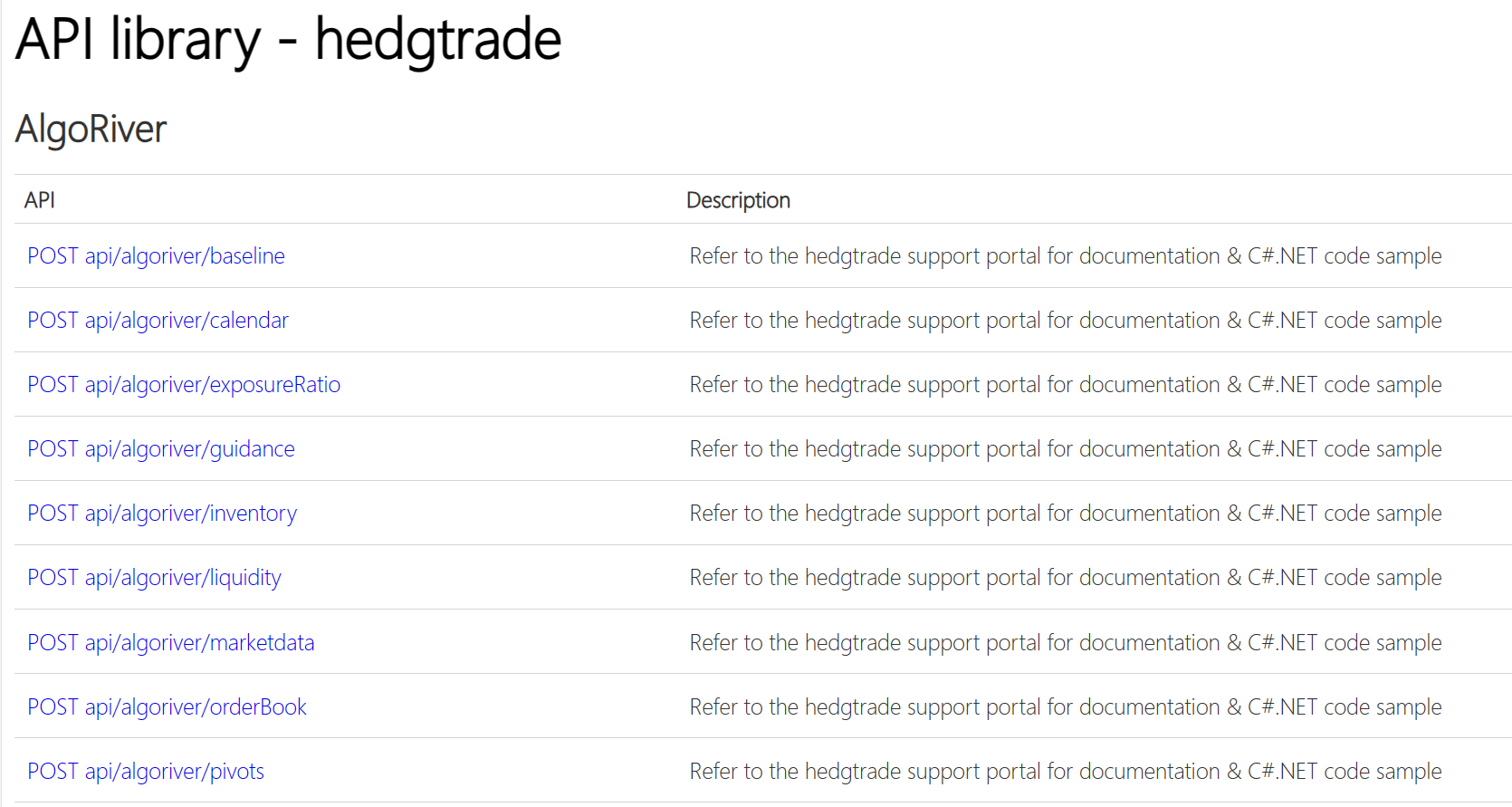

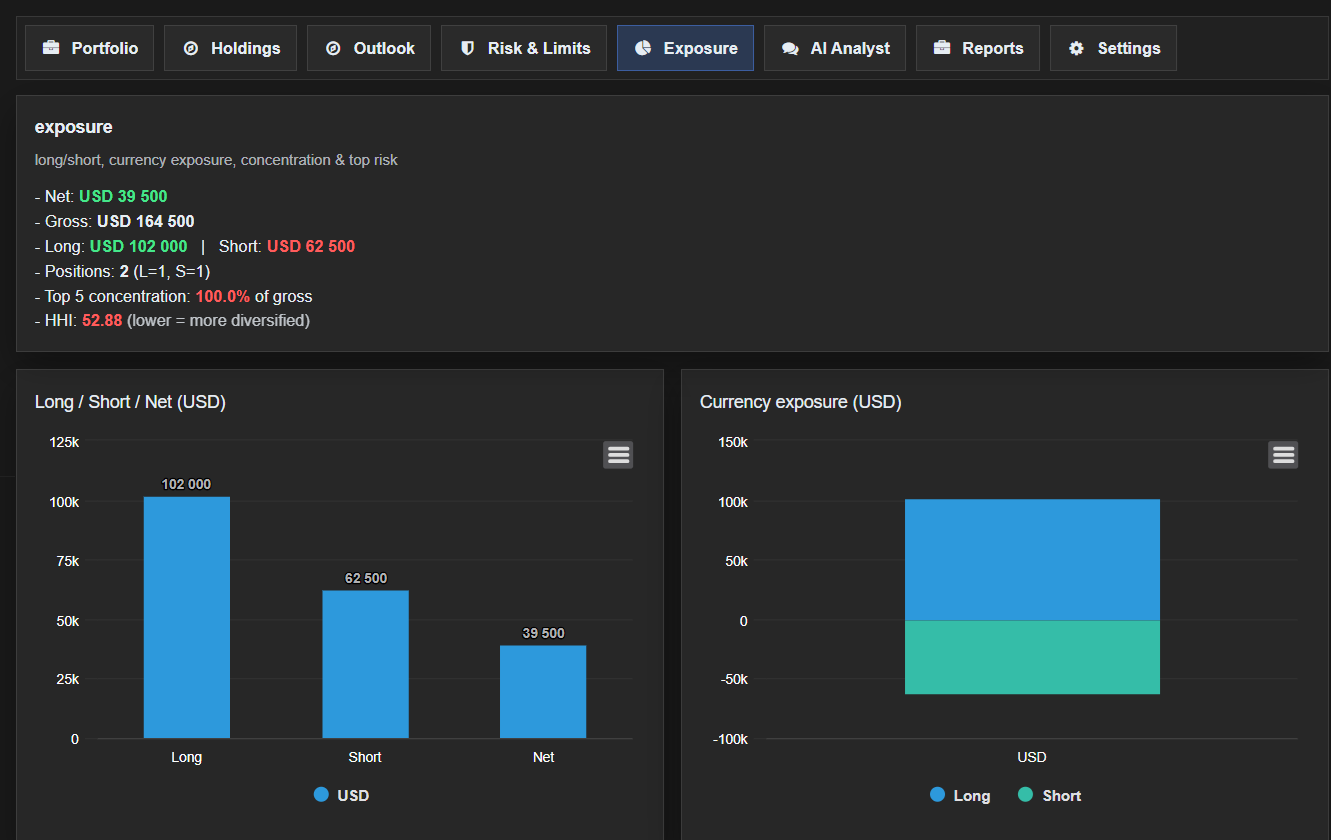
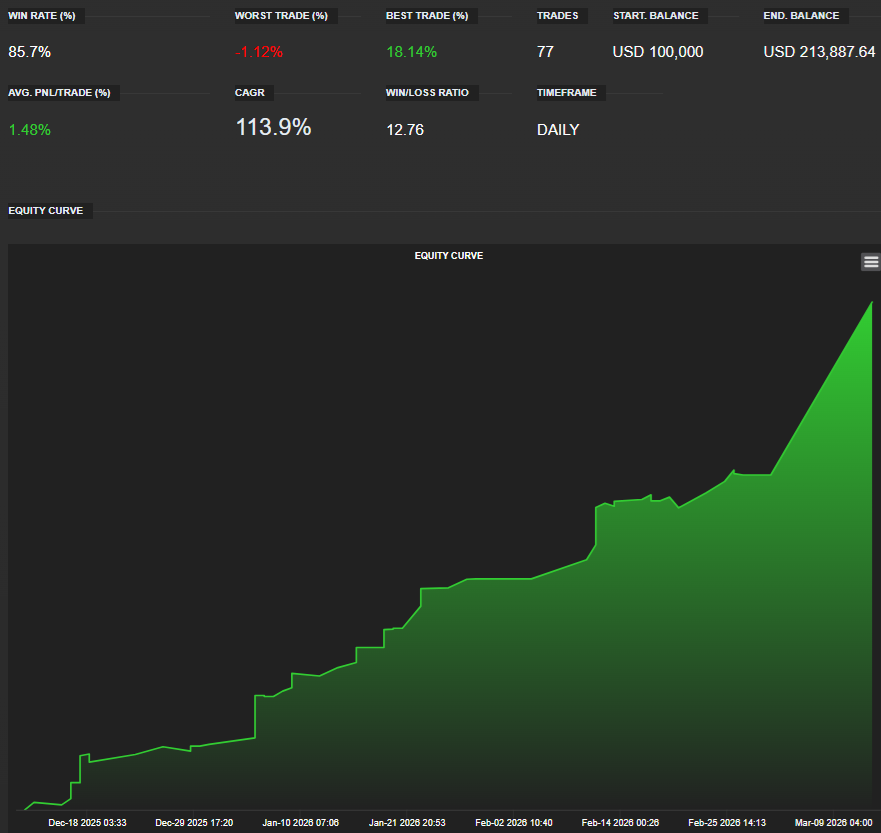
Orders are the last step of the investment decision — not the first.
Enterprise OMS/EMS vendors are built around order workflow. Hedgtrade starts earlier: market evidence, portfolio state, strategy intent and risk context can all exist before an order is created.
Intent
A discretionary user or systematic strategy expresses what the portfolio should own, not merely a broker-specific order.
Portfolio context
The platform can consider existing positions across connected accounts before deciding what order is actually required.
Risk context
Gross/net exposure, leverage, concentration and account limits can sit directly beside the execution workflow.
Broker execution
The execution adapter handles account-specific symbols, quantities, order state, routing and broker reconciliation.
Strategies and users express intent. Hedgtrade handles the operating complexity.
A systematic strategy should not need to know that one broker calls an index one symbol while another broker uses a different mapping. It should be able to express normalized portfolio intent. The OMS/EMS layer can translate that into account-specific executable orders.
This is the architecture that can replace separate desktop bridges and broker-specific execution logic over time.
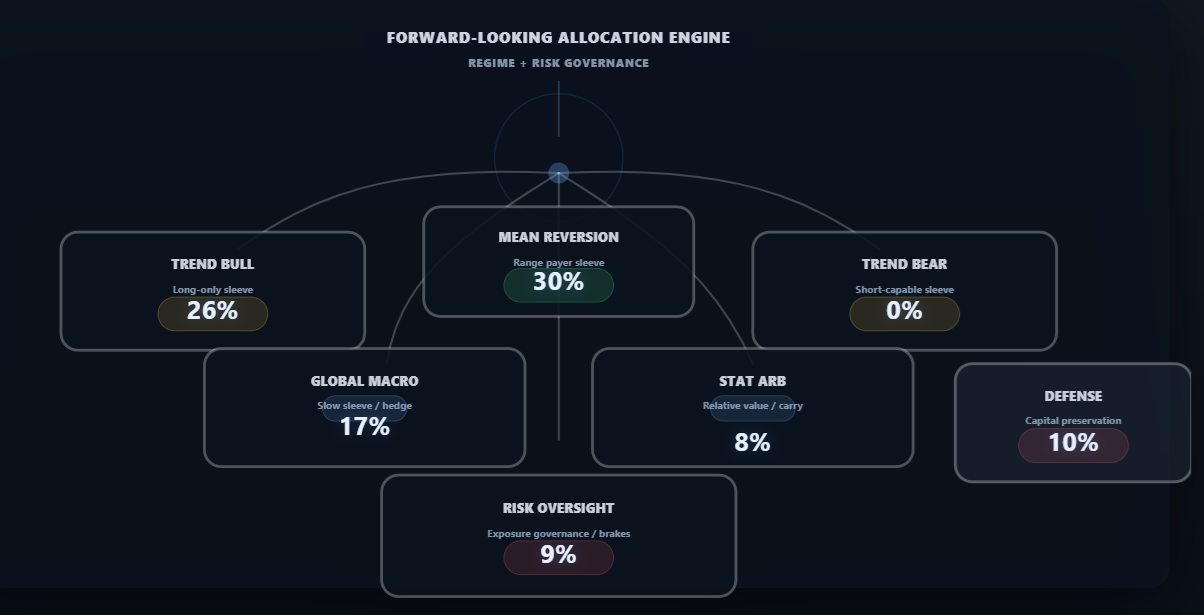
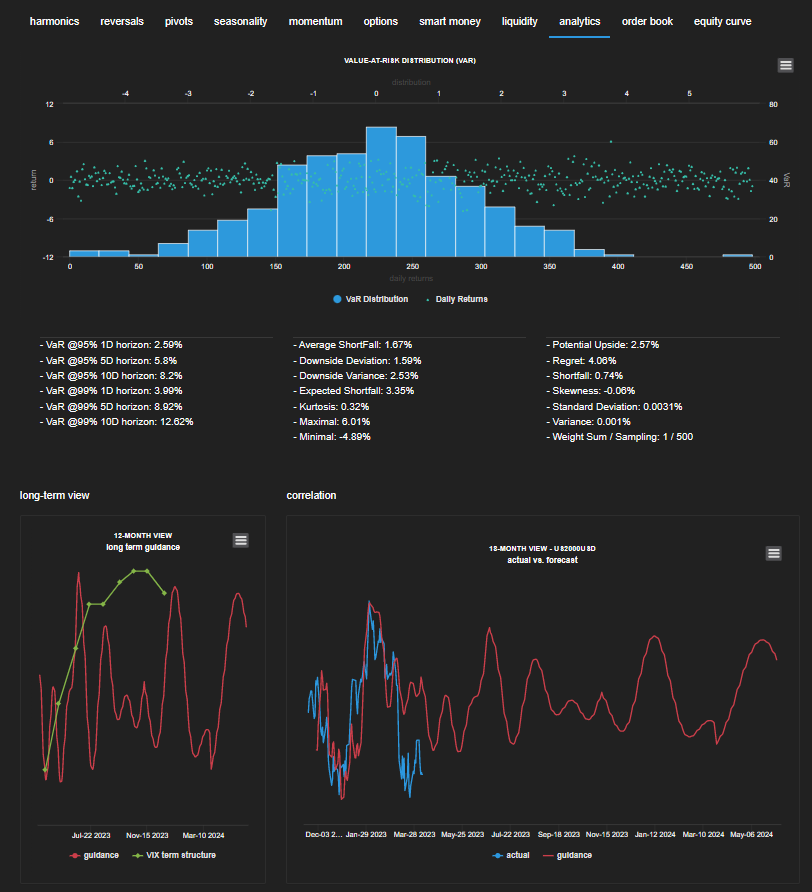
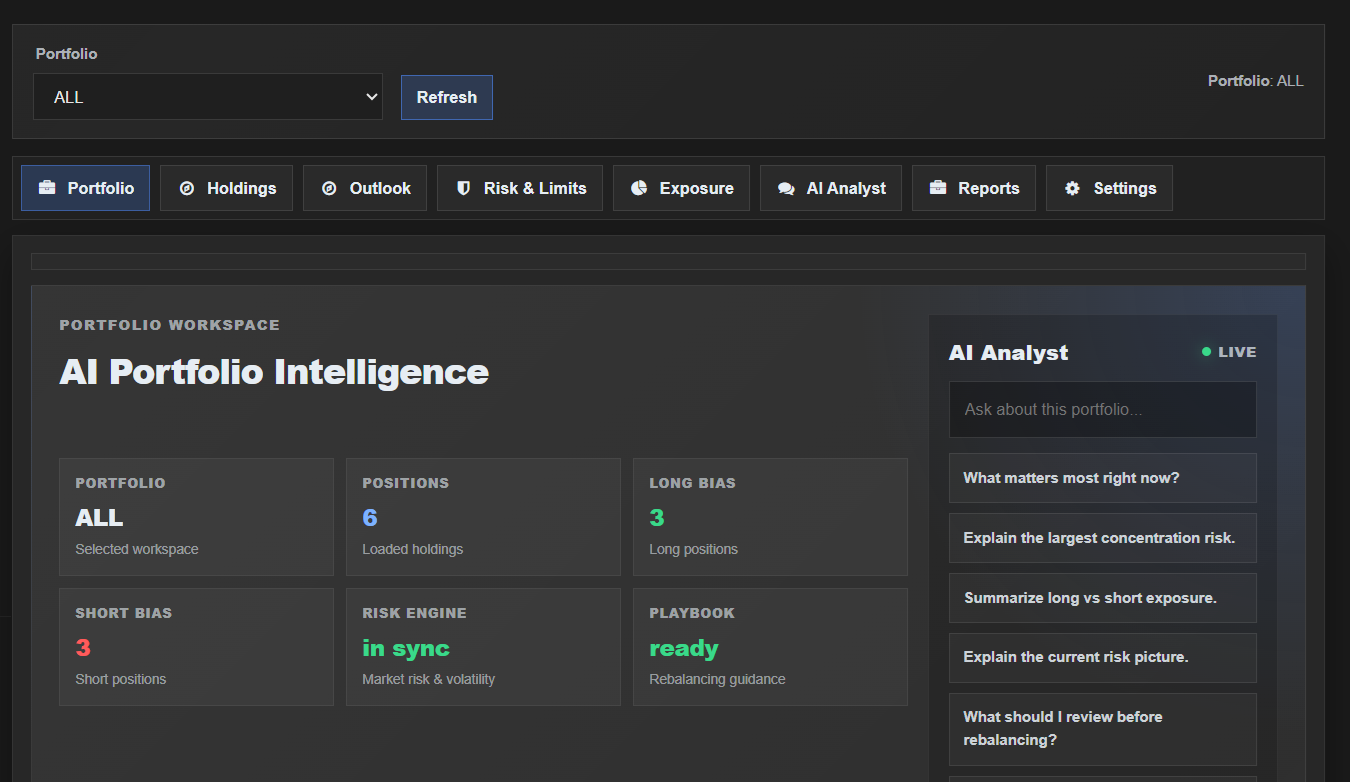
The pieces that matter before adding fancy execution features.
Order blotter
New, working, partially filled, filled, cancelled, rejected and expired orders with account and strategy context.
Position management
Actual broker positions compared with target positions, including account- and strategy-level drill-down.
Pre-trade controls
Exposure, leverage, instrument, account and strategy limits where enabled.
Allocation & routing
Translate one portfolio intent into the appropriate account-specific order or set of orders.
Reconciliation
Continuously compare Hedgtrade's internal state with actual broker positions and open orders.
Audit trail
Preserve the path from signal or manual intent through risk checks, order submission, acknowledgement and fill.
One live operating layer can sit above many separately authorized accounts.
Connected broker accounts remain independently authenticated and permissioned. Hedgtrade can maintain their live state together in its own portfolio model rather than forcing the user to log into one broker at a time or operate a separate desktop terminal for each account.
- Separate authorization for each client/account relationship
- Simultaneous account state inside one Hedgtrade portfolio
- Broker and sub-account identity preserved
- Common internal instrument model across broker-specific symbols
- Real-time execution events where supported
- Periodic reconciliation against broker source-of-truth state
The broker is interchangeable infrastructure. Hedgtrade stays constant.
For users, sell the outcome — not the acronym.
Trader Pro — $149/month is designed around a simple promise: Your entire trading operation. One screen. The user should not need to care whether a feature is technically OMS, EMS, portfolio management or broker middleware.
- One consolidated portfolio
- One risk view
- One intelligence layer
- One order and execution workflow
- Multiple supported brokerage accounts underneath